

USA-Iran News Today | 2026 Update: Tensions, Diplomacy & Global Impact
USA-Iran News Today | 2026 Update: Tensions, Diplomacy & Global Impact
The United States and Iran remain at the center of intense global scrutiny as 2026 unfolds with high-stakes geopolitical tension, potential diplomacy, and regional security concerns. Today’s news reflects this complex relationship — from military posturing and nuclear negotiations to international calls for diplomacy and shifting alliances in global energy markets.
Below is a detailed USA-Iran news today summary, including the latest developments, expert context, and what this means for global politics, security, and economy.
1. U.S. and Iran in a High-Tension Standoff
The most pressing headline today continues to be the deteriorating situation between Washington and Tehran.
📍 U.S. Position:
President Donald Trump publicly stated that Iran is “talking to us” and hinted at the possibility of striking a deal to avoid military conflict — though he stopped short of ruling out military action if diplomacy fails.
📍 Military Build-Up:
The United States has deployed significant naval assets — including a carrier strike group led by the USS Abraham Lincoln — toward the Persian Gulf. This deployment is intended to serve as a deterrent but also raises fears of miscalculation or direct engagement.
📍 Iran’s Response:
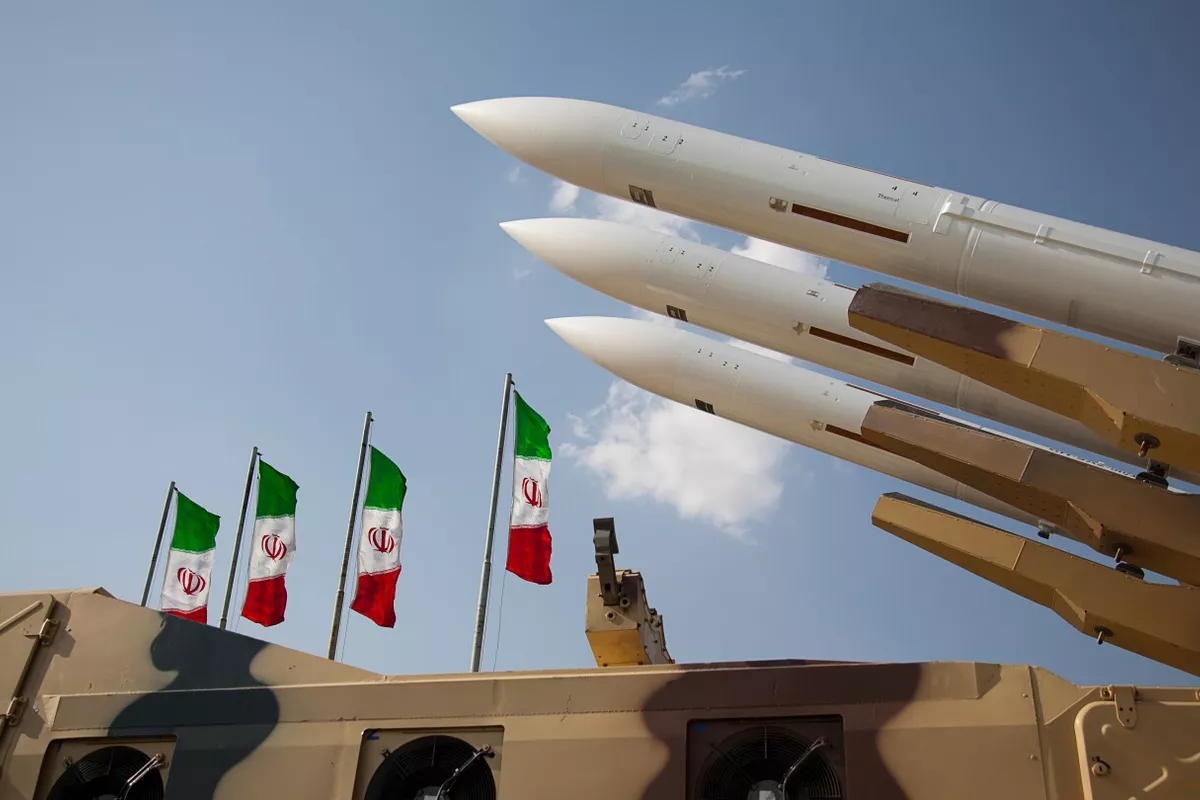
Iran’s army chief has warned that the country is at “full military readiness” and will defend itself against any attacks from the U.S. or its allies.
This kind of military face-off — with one of the world’s most powerful militaries confronting a heavily armed regional state — is causing alarm not just in Tehran and Washington, but throughout capitals in Europe, the Middle East, and Asia.
2. Signs of Diplomacy — Possibility of Talks
Despite heightened tensions, today’s news also includes tentative diplomatic signals.
🚩 Iran’s top security official, Ali Larijani, said that progress is being made toward forming a structure for negotiations with the U.S., even as both sides remain distrustful.
📌 However, some Iranian officials and parliament members have described negotiations with the United States as “harmful” historically, reflecting deep skepticism in Tehran about talks that might compromise national sovereignty.
Note: No formal negotiation session has been publicly announced yet, and past rounds of indirect talks (for example via Oman) were suspended.
This dichotomy — between open diplomatic signals and entrenched political resistance — highlights how fragile the current situation is.
3. Regional and Global Reactions

The U.S.-Iran tension is not an isolated bilateral issue — it’s a regional challenge with global consequences.
Middle East Allies Urge Restraint
Arab leaders, including those from the Gulf Cooperation Council, are urging both Washington and Tehran to exercise restraint and avoid military escalation.
Global Calls for Diplomacy
United Nations Secretary-General António Guterres has publicly called for renewed diplomacy between the United States and Iran to avoid “devastating consequences” for regional security.
Third-Party Mediation
Turkey has offered a facilitator role to help de-escalate tensions, hosting high-level talks between Iranian and Turkish officials.
These international efforts show that the potential fallout of a U.S.-Iran confrontation extends beyond regional borders.
4. Domestic Pressure Within Iran
Internal dynamics within Iran also play a role in shaping the country’s stance.
📊 Iran is currently facing a deep economic crisis, marked by high inflation and limited access to global markets due to prolonged sanctions.
These economic pressures have fueled domestic unrest and protests, which have persisted even as the government clamping down, complicating Tehran’s ability to respond uniformly on the international stage.
Additionally, Iran’s parliament has shown resistance to negotiations with the U.S., citing past failures and ongoing mistrust.
5. Energy Politics & Global Oil Market
The U.S.-Iran standoff is influencing energy politics as well.
🔌 The price and stability of global oil markets — a key economic indicator — are being shaped by decisions surrounding Iranian oil and sanctions relief.
📌 One of today’s energy headlines: President Trump claimed that India will buy oil from Venezuela instead of Iran, signaling yet another shift in global energy alliances and sanctions strategy.
This reflects broader U.S. efforts to isolate Iran economically and reorient global oil flows toward other suppliers like Venezuela — even as sanctions complicate these markets.
6. What Experts Are Saying
International relations analysts describe the current moment as “geopolitical poker at its most dangerous.” Both sides have signaled potential diplomatic engagement, but hardline positions — especially around nuclear issues — suggest that substantial progress may be difficult without serious concessions.
Key objections include:
✔ U.S. demands for Iran to significantly curb its nuclear and missile programs
✘ Iran’s insistence on maintaining defensive capabilities and economic sovereignty
Unless these core issues are addressed, talks — if they happen — may only scratch the surface of longstanding mistrust.
7. Key Risks & What to Watch Next
As the situation continues to unfold, here are the major risks and indicators that the world is watching:
🧨 1. Military Confrontation
Any accidental clash at sea or in the air could dramatically escalate the conflict.
🗣 2. Breakdown of Negotiations
Without a clear commitment to formal talks from both Washington and Tehran, diplomatic progress could stall.
🌍 3. Regional Spillover
Neighboring states could be drawn in — especially U.S. allies like Israel and Gulf Arab states — raising broader risks in the Middle East.
📈 4. Global Market Disruption
Oil prices and international markets can swing rapidly if the Strait of Hormuz — a critical waterway for global energy supplies — becomes threatened.
8. Why This Matters
The United States and Iran have been geopolitical adversaries for decades. Today, that rivalry carries:
🔹 Regional security implications
🔹 Global economic impacts
🔹 Humanitarian concerns due to unrest and sanctions
🔹 Potential shifts in global alliances
The stakes are high — not just for Tehran and Washington — but for the world.
9. For More Latest Updates
Stay up-to-date with ongoing developments from trusted global news platforms:
🔗 Read ABC News’ latest dispatch on U.S. and Iran tensions here: https://abcnews.go.com/US/wireStory/arab-allies-urge-restraint-us-iran-trump-demands-129714938
Conclusion
Today’s USA-Iran news update demonstrates a volatile blend of diplomacy, military readiness, economic pressure, and geopolitical maneuvering. While there are signals of potential negotiation, deep mistrust and hardline politics in both countries continue to complicate the path to peace.
For ordinary people, the US-Iran dynamic is more than just foreign policy — it affects energy markets, global security, regional alliances, and the lives of millions.
To follow future developments — including shifts in diplomacy, military strategy, and economic sanctions — bookmark reliable news sources and check back frequently. The situation is evolving every day.
No comments
Post a Comment